PHOTO
70781.0
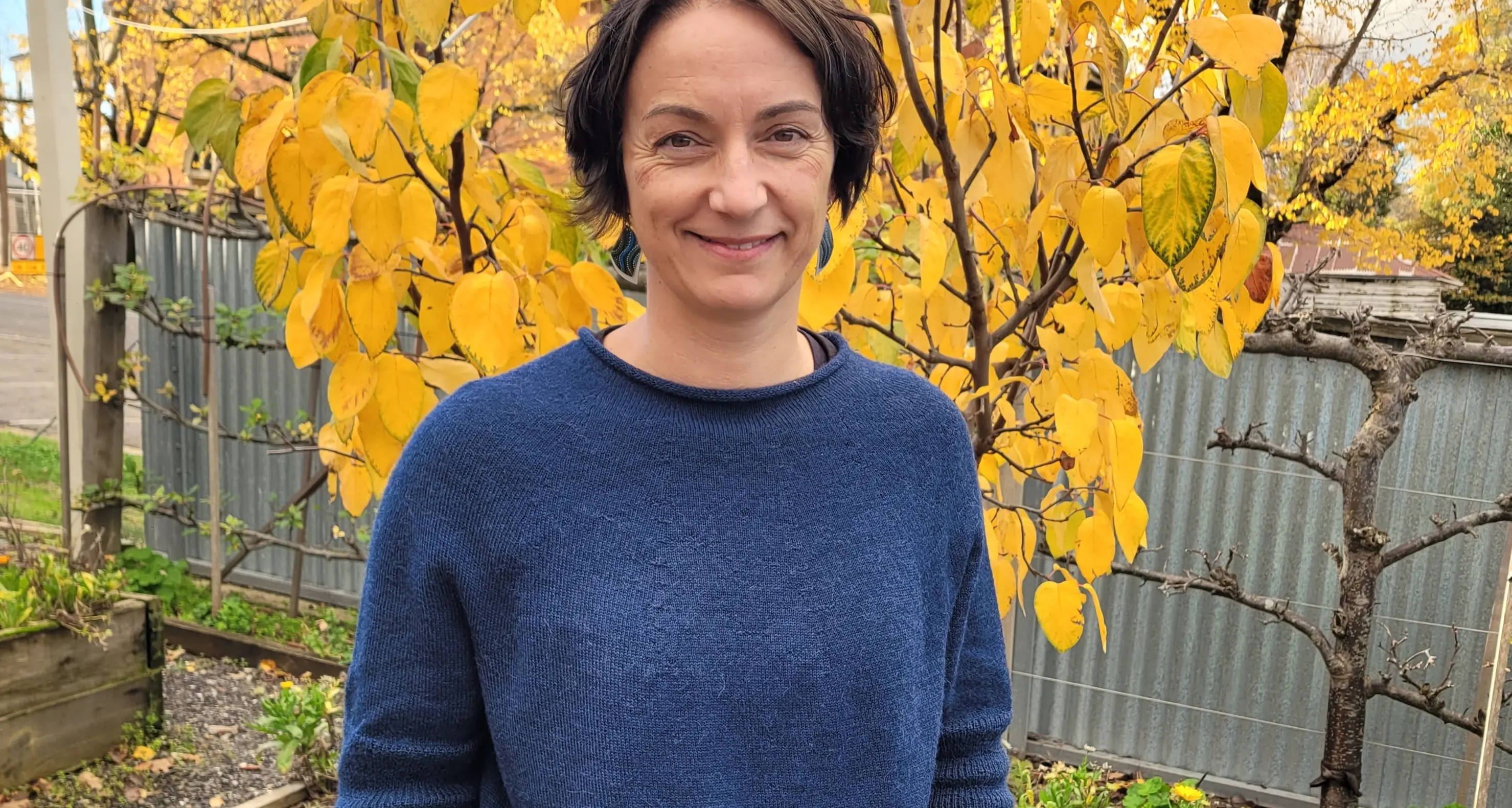
Honouring First Nations Lake Bulegeaba (now known as Lake Moodemere) artist Tommy McRae (around 1831 -1901) as a prominent historian posthumously inducted into the Victorian History Hall of Fame has been exciting news for Rutherglen researcher Nyree Wiggins.
Ms Wiggins has undertaken research on Tommy McRae for some 15 or more years.
Mr McRae, also known as his traditional name ‘Yackaduna’, recorded and communicated history through his visual drawings.
“It’s fantastic that Tommy an historian in his own right, captured history through visual art,” Ms Wiggins said.
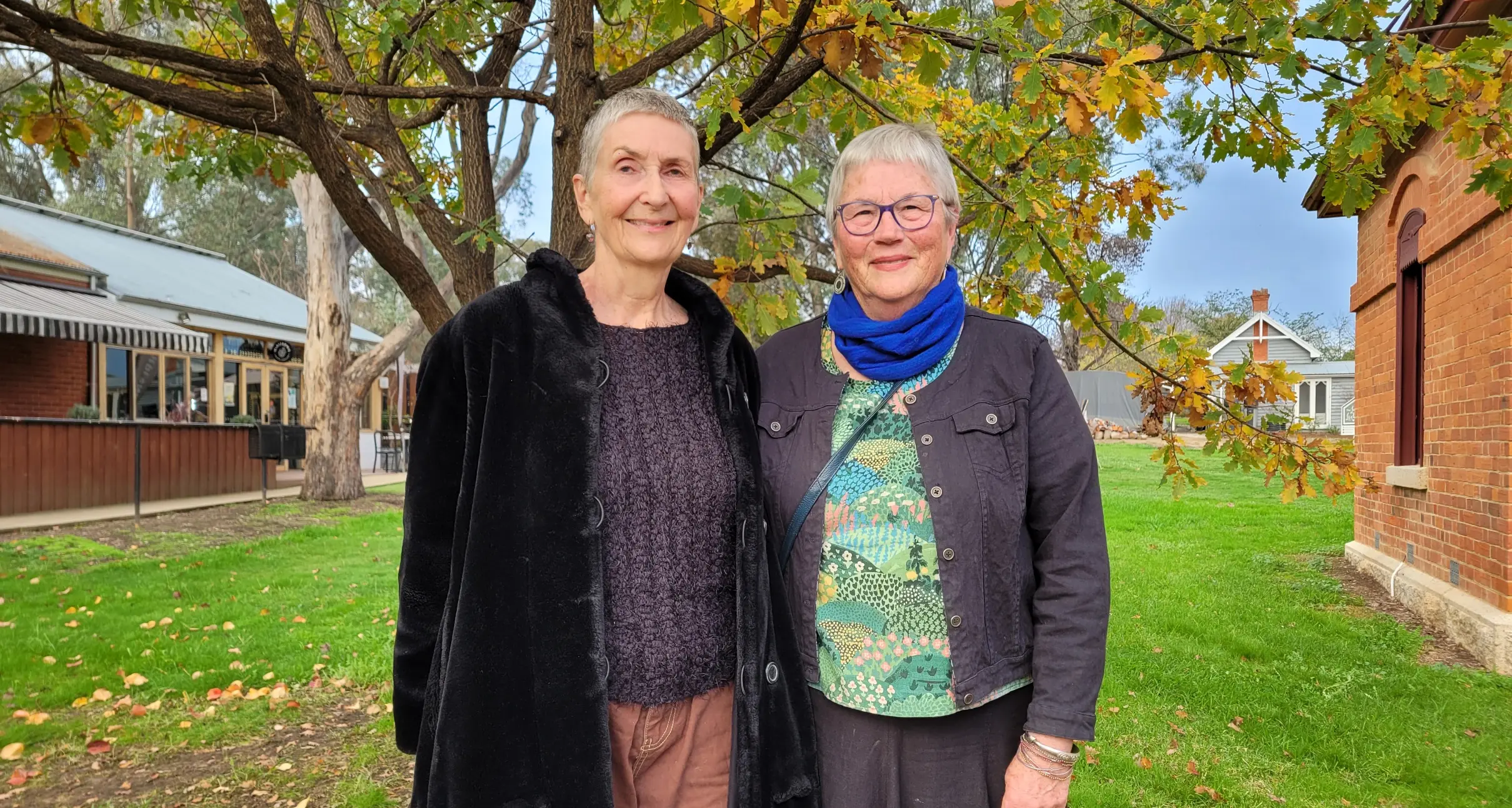
Behind the induction nomination is Charles Sturt University adjunct professor and historian Bruce Pennay in liaison with CSU colleagues Wiradjuri elder Dr Yalmambirra and Dr Paul Grover.
Professor Pennay, also a member of the Albury and District Historical Society, said interest sparked in Tommy McRae’s story when developing an online history resource ‘Investigating Dispossession’ for secondary school students.
He said the resource (edited by the CSU trio) included colonists and First Nations peoples in broader history extended to local dispossession including from the Murray to Ovens regions.
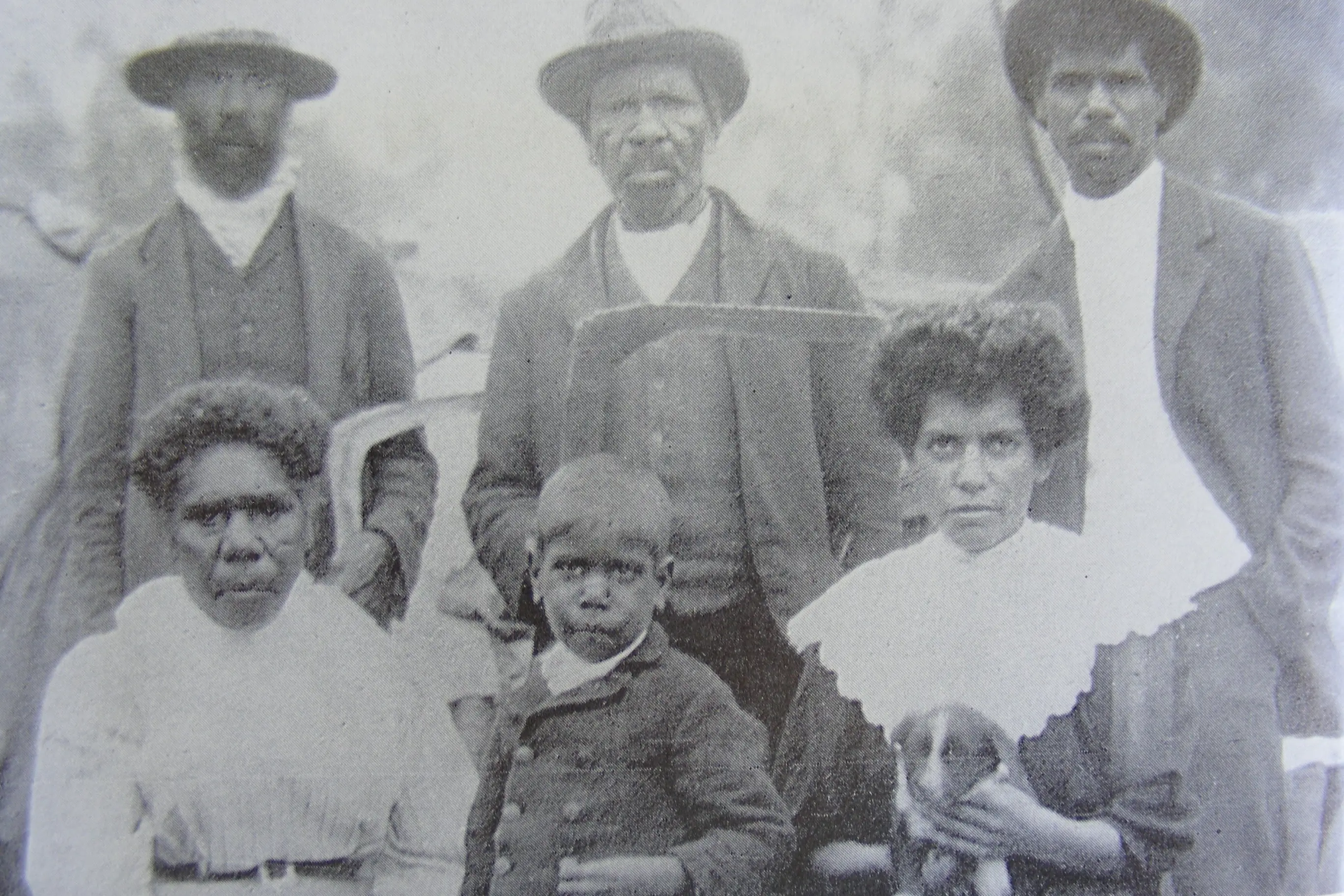
Professor Pennay said the artists lived at an unofficial reserve for First Nations people at Lake Moodemere receiving rations but no other support.
“There was no housing but they did build huts and Tommy lived there for years,” he said.
“He grew up watching European settlers arrive and the way European settlers and First Nations people lived together and never pictured violence.”
Professor Pennay said Tommy McRae’s visual history depicting older times also recorded life before colonisation with many pictures of corroborees and hunting.
“We decided he was one of our great historians through his visual drawings and should be remembered as a great historian,” he said.
“It’s recognition of his drawings and being a witness to live by the Murray River and see the coming of Europeans.
“Tommy also had a bank account and sold his pictures, curios including emu eggs, set up corrobborees and was an entrepreneur on his own country and local people recognised him.”
Ms Wiggins said up to 500 First Nations people would travel to and from Lake Moodemere area for ceremonial purposes at the onset of settlement.
“In later years around the 1870s, 80s, and 90s smaller groups came and settled almost permanently between Lake Moodemere, across the river to Croppers Lagoon, and further along the river,” she said.
“They would hunt, fish and sell their wares to the expanding gold mining and European population."
Ms Wiggins said Indigenous people were multilingual speaking among their various language groups.
Ms Wiggins said miners drawn to Lake Moodemere for recreation had contact with First Nations people.
“Tommy McRae lived in a hut, farmed poultry, and sold and traded to the goldfields, as did the women with their possum rugs,” she said.
“Tommy was noted as an exceptionally good horseman working on two nearby major cattle stations with cattle runs going back and forth from Port Philip Bay.
“His early life is an exciting facet to explore as Tommy has been recorded as being there and I’m fascinated with some of his drawing on Port Phillip Bay.
“It’s 125 years on an he’s communicating with us today through his drawings.”
The artist’s works are held in the National Museum of Australia and National Gallery of Australia in Canberra, state libraries in Victoria and NSW as well as the Melbourne Museum.
His sketch reproductions are also displayed at Corowa Federation Museum.