The huge gap in funding for health care between people living in rural and remote areas compared to city counterparts is being headlined in a new campaign ramping up by the National Rural Health Alliance (NRHA).

According to the alliance, the structural problem hasn’t been fixed from a recent Federal Budget for Australians living in rural, regional, and remote communities missing out on needed care, fewer services and clinicians stretched to breaking point to plug gaps.

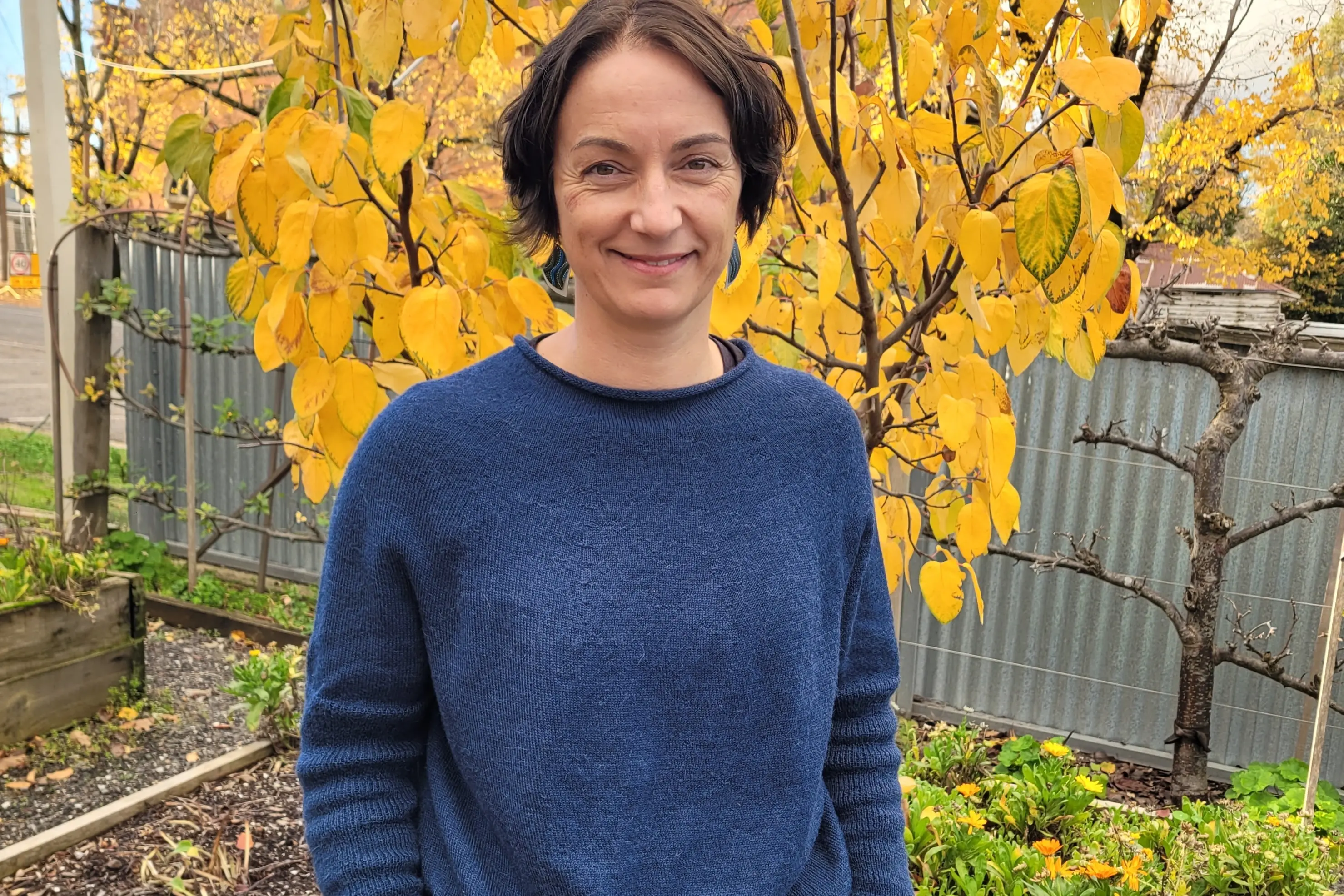
Local general practitioner Dr Christie Rodda – also co-deputy chair of the Royal Australian College of General Practitioners Rural Faculty – is one of many doctors who goes above and beyond in caring for patients.

Dr Rodda is also one of the rural clinicians and community members speaking out in the national campaign.

“Australian rural communities deserve good health care and they're not getting it to the same degree as urban Australians,” she said.

The GP said challenges in the many layers of the health system facing rural and regional areas included a workforce shortage of doctors, nurses, allied health practitioners, and administrative support staff.

Among others is the lack of transport.

“We no longer have a taxi in Beechworth and that's a major problem for our community,” she said.

“We need to invest in local solutions and there is not a one size fits all approach that will work for every small rural community, and rural communities have the knowledge of what they need.

“We often have the practitioners, knowledge, and ability to create the health systems needed, but there is a lack of investment by governments.

“For example, what suits Bendigo may not be suitable for Beechworth.

“It’s about funding equity and we need to make sure that decision makers direct funding into appropriate local models for communities."

Dr Rodda said a National Rural Health Alliance commissioned report in 2023 found a $6.55 billion shortfall in health funding for rural Australians.

“This equated to about $850 less spent per person per year in rural Australia compared to their urban counterparts, with health outcomes much worse for rural Australians,” she said.

A later 2023–24 report encompassing private allied health, ambulance, DVA, and workforce programs found the gap has now widened to $8.35b equating to a $1090.47 shortfall per person for rural Australians.

“The further away from urban centres, the lower life expectancy and there are higher mortality rates from illnesses such as cardiovascular and chronic lung diseases,” Dr Rodda said.

“There’s also higher rates of smoking, alcohol and drug use as well as suicide in rural areas.”

Dr Rodda extends her care for patients unable to attend scheduled appointments at Beechworth Surgery.

On a 42 degree day earlier this year, Dr Rodda called in on her way home from an emergency department shift at Wangaratta hospital to see a patient with chronic kidney disease.

The patient had been unable to attend her scheduled GP appointment at Beechworth Surgery due to being unwell and a lack of transport support.

“Providing continuity of care is part of what we do and being a rural GP is a wonderful job, but support systems are needed and cannot be the individual clinician’s responsibility,” she said.

“We are very invested in our communities and care for our communities deeply.”

Dr Rodda said supporting systems also need to include proper funding for Medicare rebates that are essential to address the frequently complex health care needs in rural general practice.

“The new bulk billing incentives are welcome as a policy change, but it doesn't make up the shortfall in providing that continuous quality care which every Australian deserves, including rural Australians,” she said.

“Rebates for longer consultations and mental health are not adequate.”

With Medicare rebates only a part of the equation, Dr Rodda said the shortfall encompasses multi layers of the health system including federal and state government funding.

“Rural Australians deserve, adequate funding for good quality healthcare that matches urban counterparts with funding across all levels of the health system including rural hospital infrastructure,” she said.

Indi MP Helen Haines said health care remained a number on concern across the region.

"In regional Australia, our health needs are growing, but investment in services and infrastructure is not keeping pace," she said.

"Current funding is not delivering equity for rural and regional health services."

Dr Haines said she was continuing to push for her $2 billion Building Hospitals Fund proposed last year, which would provide competitive and needs-based investment for new buildings, equipment and planning.

"This funding could deliver the investment demanded for projects like a new, greenfield single-site hospital for Albury Wodonga," she said.