PHOTO
An inaugural event hosted by a new group focused on sustainability drew more than a 50-strong cohort of like-minded people to a community forum late last month in Beechworth.
The group Indigo Regen kicked off around 12 months ago with a mission to create regenerative practices to nurture the health of local communities and biodiversity of the planet.
Held at the Beechworth Town Hall, one of three guest speakers Sydney-based environmentalist Michael Mobbs delivered an account about his sustainable living journey when he began renovations on his terrace some 30 years ago.
Creating an off-grid home, Mr Mobbs advocates for more sustainable and healthier lifestyles.
The former lawyer also spoke about water use and its waste in urban landscapes with regenerative solutions.
Mr Mobbs said he tried to show how people had three chances a day to stop food waste, to grow soil and reframe composting.
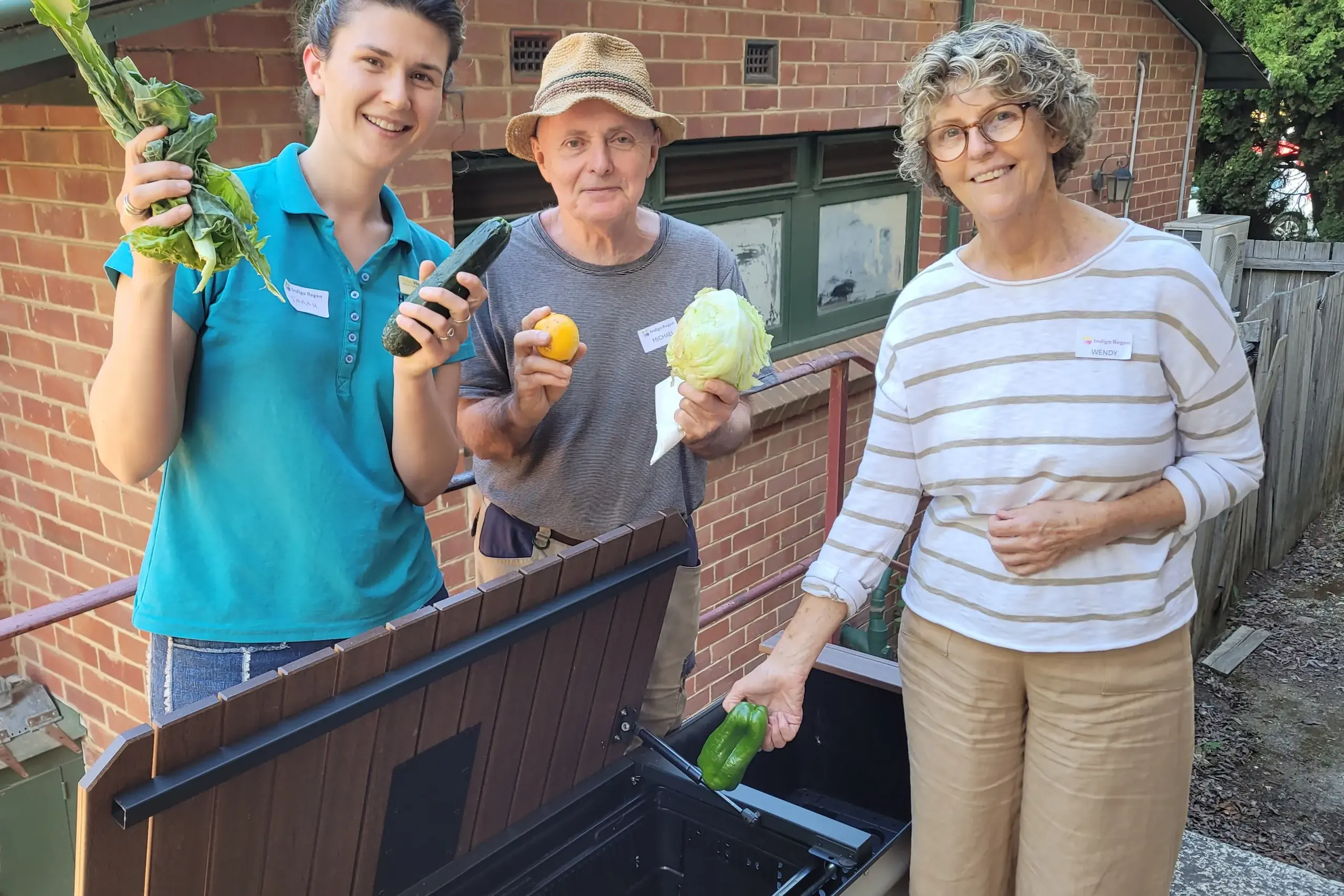
The sustainability advocate created a worm composting coolseat - an example of a circular economy to keep waste in the place where generated, convert to compost and enrich soil.
Working with state governments on sustainable civic projects, Mr Mobbs said Melbourne City Council is exploring an extension of coolseats to all street furniture.
The audience was all ears as well when Beechworth’s retired General Practitioner Dr Wendy Connor spoke about the effects of climate change to the environment and on health.
The cohort also learned about recycled programs with the aim to reduce all wastes going to landfill from Halve Waste’s Sarah Wallis.
Ms Wallis explained the recycling group’s programs, the thought processes behind them and why they worked.
Indigo Shire Council’s environment and sustainability coordinator Isla Fitridge took part in a panel session where event goers had their questions answered by guest speakers.
Indigo Regen president Lesley Milne said a strength on the day had been developing connections with community groups and individuals.
“Indigo Regen’s vision is for communities to be more resilient in creating and celebrating regenerative practices that focus on food production, waste disposal and healthy lifestyles,” she said.
Ms Milne said community connection is vital for community resilience in the future with difficult climate challenges triggered by a warming climate.
“Our aim is to create safe, inclusive ways of sharing skills and knowledge that promote and support sustainable actions and circular economies,” she said.
“By growing and sharing food and local resources, supporting local food networks, reducing waste such as food, plastics and textiles, we can reduce emissions and improve our natural environment for future generations together."
Dr Fitzbridge said council supported the community and community groups passionate about the environment and sustainability such as Indigo Regen, working alongside them.
“An Indigo Regen member is on council’s Environmental Advisory committee,” she said.
Murmungee’s Bernie Kennedy said Mr Mobbs set a good example to show getting off the grid can be done.
“Like-minded people with share values can make things happen,” he said.