PHOTO
67351.0
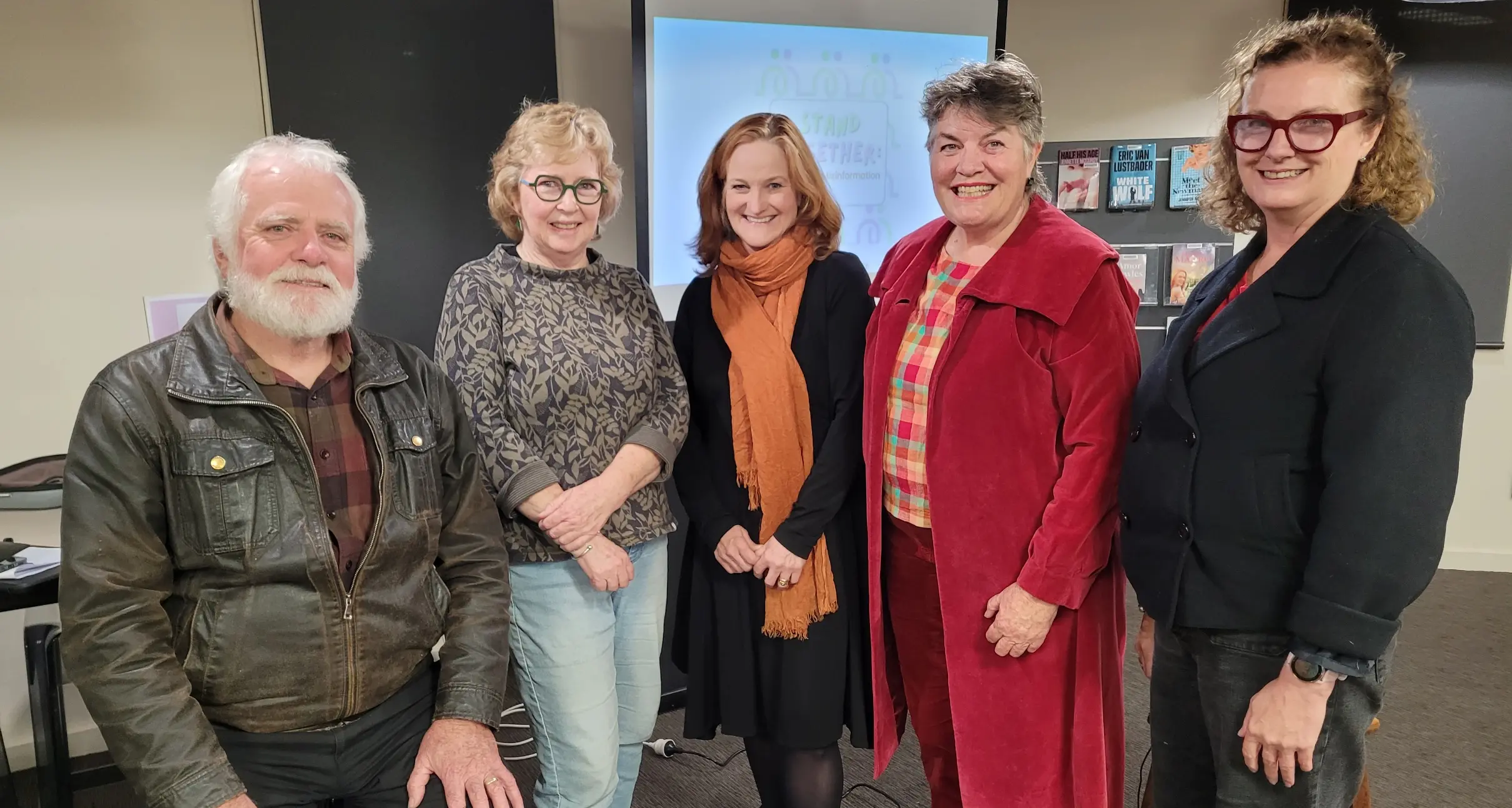
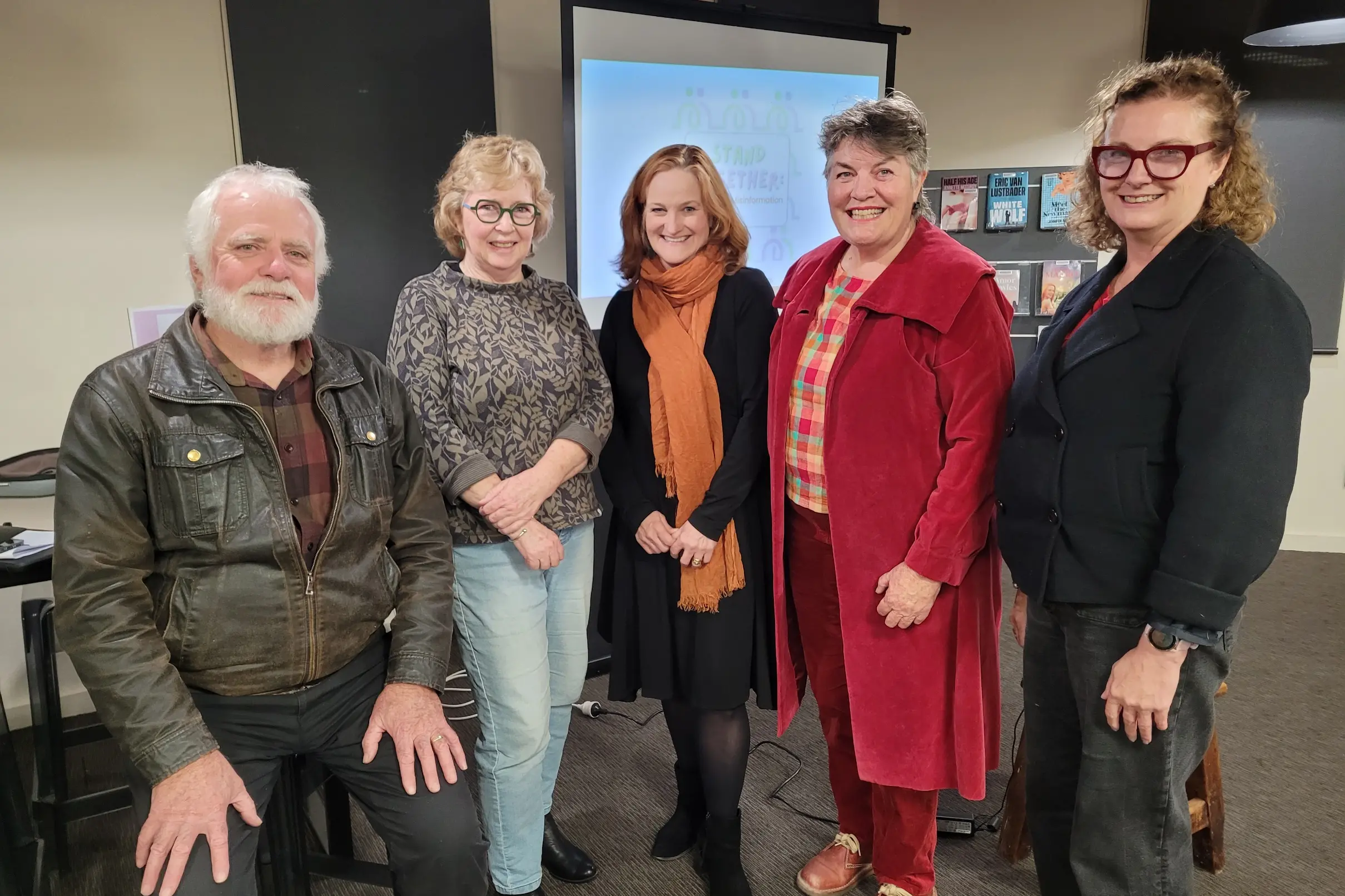
An evidence-based framework to identify and address misinformation was a key takeaway for a local drawn to a presentation on ‘Stand Together: Countering Misinformation’ at the Beechworth Library last month.
The session organised by Indigo Shire Council was part of part of its Stronger Together: Community Cohesion Program.
Beechworth local, Leanne Mulcahy, said the talk given by researcher Lauren Martin from UNSW’s Kaldor Centre for International Refugee Law, as well as hearing experiences from people in the Q&A session, had been insightful.
With misinformation a growing threat to social cohesion and democracy, Ms Martin’s presentation set out to empower people by sharing new knowledge with practical tools to help identify and respond to false or misleading information.
Ms Martin, an award-winning journalist, spoke about a recent report undertaken on misinformation targeted at refugees and migrants in framing them as threats to community interests.
Ms Martin co-authored the report – a joint effort between the Kaldor Centre for international Refugee Law at UNSW, and psychologists from the Behavioural Insights Team (BIT).
The report drew on behavioural science, policy research, and real-world practice to support effective responses to misinformation and disinformation.
“Refugee and migration issues involve a lot of misinformation, and we want people to find their solutions based on the facts,” Ms Martin said.
“When we teamed up with BIT to produce this report, we wanted to come up with something that was not only applicable to refugee and migration issues but could be applied in any area.
“We hope whatever kind of misinformation you might encounter this framework will empower you to spot it, think about it, and know what to do with it.”
The session walked through the behavioural science, and a step by step through the framework.
Ms Mulcahy said tapping into agendas behind misinformation had also been a key takeaway.
“When information is being shared and you suspect it might be misinformation, you can question the agenda and information source – is it fact and evidence-based,” she said.
Ms Martin said it’s vital that the same facts are shared by communities including at state and national level.
“If we don't share the same facts, then we lose our shared responsibility, and we lose our shared ability to solve problems,” she said.
Ms Martin said it’s also about understanding the science of how our brains work and how misinformation works on people.
“It’s important to be a critical thinker,” she said.
“As consumers of information, we have to be a lot more savvy and understand who can be trusted.
“Misinformation is pervasive problem for everyone undermining social cohesion leading to a more fragmented society.
“This undermines our ability to work together on shared problems and weakens our democracy.
“You couldn't design a better way to spread misinformation than by social media.
“Please stop and think before comments are shared by putting on your critical thinking cap."
Ms Martin said AI generated content added more complexity to the problem of misinformation.
Visit www.unsw.edu.au/kaldor-centre for more information on the Kaldor Centre.