PHOTO
LOCAL voices are helping contribute to a federal parliamentary inquiry into the health impacts of alcohol and other drugs.
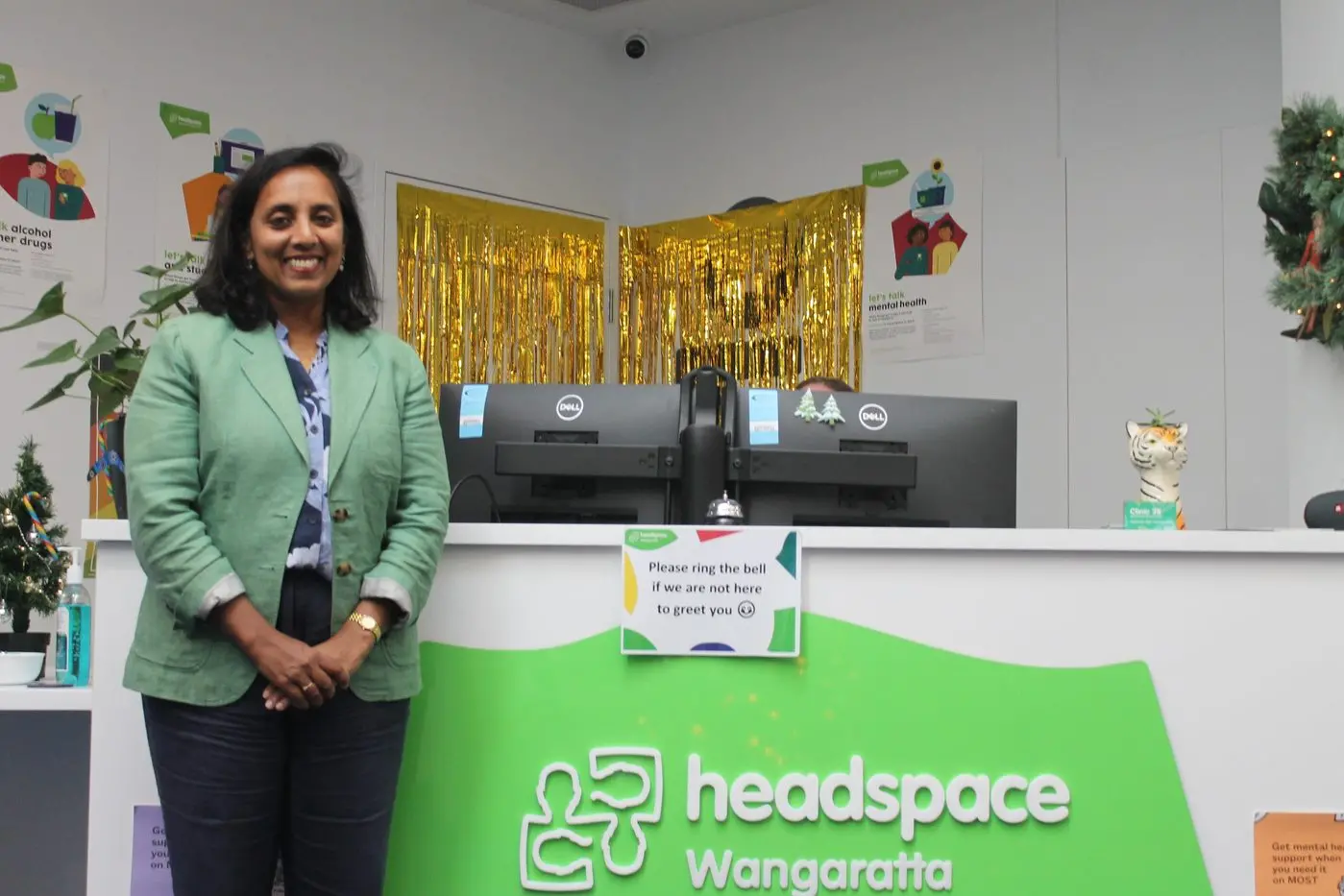
Federal MP for Higgins, Michelle Ananda-Rajah, who is a member of the standing committee conducting the inquiry, visited Wangaratta and the North East last month and met with key local organisations - from health experts all the way through to childcare workers - to hear directly from those with lived experiences about the health needs of the community.
Dr Ananda-Rajah said the feedback from local organisations will be critical in helping identify what’s working and what needs to change.
She said the committee's inquiry into the health impacts of alcohol and other drugs, is focused on improving the effectiveness of treatment services, community programs, and workforce support across Australia.
"Healthcare is delivered by people, it’s not delivered by robots," she said.
“The health workforce is critical to delivering high quality care and I want to do everything possible to encourage and support young Aussies aspiring to work in healthcare.
“I’m interested in how we grow a peer led workforce, meaning people with lived experience who have gone through addiction and come out the other end.
“How do we take that group of people and skill them up in a credential way so they can provide care to others."
Dr Ananda-Rajah said the inquiry is exploring the full spectrum of alcohol and drug use, from prevention and treatment to recovery.
She said the committee aims to assess whether the current systems are adequately supporting individuals, families, and communities affected by alcohol and other drug-related harms, with a view to making recommendations for more coordinated, equitable, and innovative policy responses.
Dr Ananda-Rajah said the system is highly fragmented and is exacerbating the harm that patients and families are experiencing.
“Our job is to unscramble this and come up with a model of care that is scalable and equitable, meaning both patients in the regions and metropolitan have the care they need, when they need it," she said.
“The stigma associated with addiction is what is holding people back.
“At a personal level, there is a sense of unworthiness, embarrassment and shame, people with an addiction disorder experience discrimination and at an institutional level, we have hospitals and clinics that also discriminate against these patients, unwittingly but introduced barriers to care."
Dr Ananda-Rajah said talking about addiction is the first step to reducing stigma.
"Its good as a community that we are destigmatising mental health but addiction is a subset of mental health, and that is one of the last frontiers that I think we need to break down," she said.