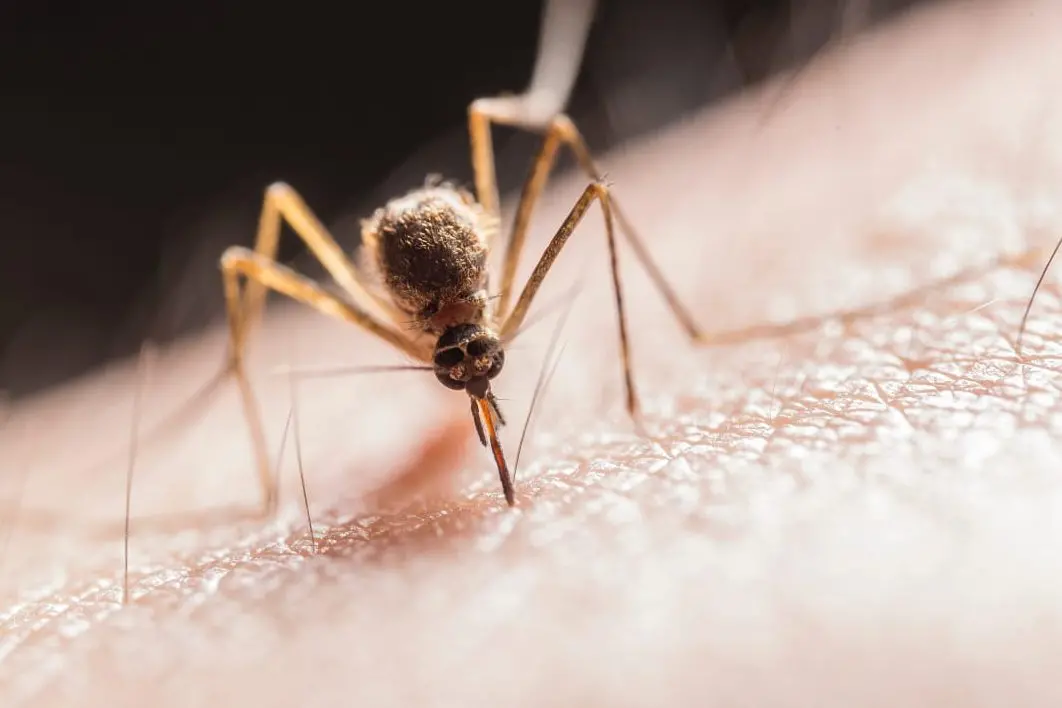
JAPANESE encephalitis (JE) is a serious viral infection caused by the Japanese encephalitis virus, which is transmitted to humans through the bite of infected mosquitoes.

While most infections are asymptomatic, severe cases can lead to inflammation of the brain (encephalitis), resulting in long-term neurological complications or even death.

JE is not contagious and cannot spread from person to person.

In February 2022, the JE virus was first detected in Victoria, prompting the South Wangaratta Medical Centre and other healthcare providers to offer the JE vaccine to eligible Victorians. Since then, the vaccination program has been expanded and modified to better protect those at risk.

As of January 2025, a confirmed human case of JE has been identified in a resident of northern Victoria, marking the first case of JE in the state this mosquito season. Environmental surveillance has also detected the virus in northern Victoria along the Murray River, as well as in mosquitoes and feral pigs in New South Wales.

These findings indicate that JE virus is likely circulating in northern Victoria this summer.

The JE vaccine is available free of charge for specific groups at higher risk of exposure to the virus, including eligible individuals in 24 high-risk local government areas (LGAs) in northern Victoria.

Priority is given to those living or working in areas with known mosquito activity, particularly near wetlands, rice fields, or other water bodies.

For the most accurate and up-to-date eligibility criteria, please refer to the official Victoria Government health website or consult your local healthcare provider.

Take Action to Protect Yourself and Your Loved Ones

Vaccination is the most effective way to prevent Japanese encephalitis.

If you or your family members fall into the eligible categories, don’t wait - contact the South Wangaratta Medical Centre or your local healthcare provider to schedule your vaccination.

For more information, visit the Victoria Government health website or speak to a medical professional.

In addition to vaccination, take the following steps to reduce your risk of mosquito bites:

• Use mosquito repellent containing picaridin or DEET on all exposed skin.

• Wear long, loose-fitting, light-colored clothing when outdoors.

• Ensure your accommodation, including tents, is fitted with mosquito netting or screens.

• Avoid outdoor activity around dawn and dusk when mosquitoes are most active.

• Remove stagnant water around your home or campsite to eliminate mosquito breeding sites.