PHOTO
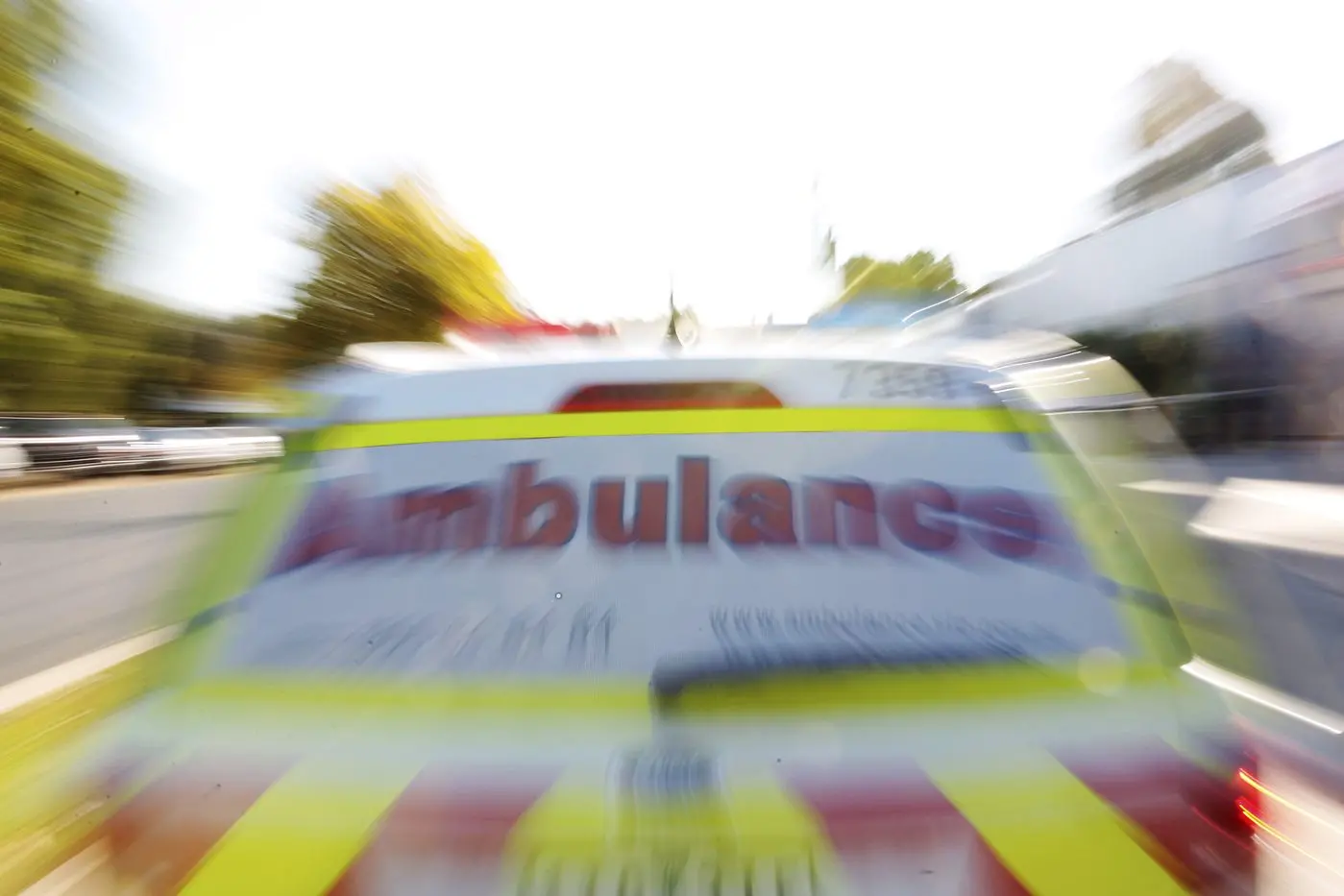
LIGHTS and sirens ambulance responses across Indigo Shire have improved by almost four minutes on the same time last year, the second largest improvement in the state over the last 12 months.
New data released by Ambulance Victoria for the second quarter of 2023/24 indicated some 197 patients had required a ‘code one’ emergency response by paramedics between October 1 and December 31, with ambulances arriving within 21 minutes and 41 seconds on average in Indigo Shire.
Some 34.5 per cent of code one patients were reached within Ambulance Victoria’s 15-minute target, a 14.9 per cent improvement on the same quarter last year.
Twelve months ago, some 214 patients required an emergency callout, with crews on scene within 25 minutes and 20 seconds on average.
Improvements were also seen in code two non-emergency response times across the shire, with local units shaving almost 11 minutes off their 54 minute and four second average in Q2 of 2022/23, while treating one additional patient.
Across the state, the average response time to code one emergencies fell to below 15 minutes for the first time in more than two years, while Mansfield, Benalla and Wodonga shires were among the state’s biggest improvers.
Rural City of Wangaratta paramedics improved by nine seconds on average, as ambulances attended 67.4pc of patients with 15 minutes.
Alpine Shire paramedics shaved 50 seconds off last year's average response time, while Strathbogie Shire paramedics were on scene almost a minute quicker on average.
Ambulance Victoria Hume regional director Steve Doyle said the progress across the state was encouraging.
“The productivity commission’s recent report on government services shows Victoria has Australia’s most trusted paramedics and leads the nation in cardiac arrest survival and pain management,” he said.
“Our dedicated paramedics and first responders are to be commended for the outstanding care they deliver to communities across the state.”
The news comes as planning ramps up for the State Government’s Centre of Excellence in Paramedicine, with Victoria University recently matching the government’s initial $10m commitment.
The centre is expected to open in 2026, and feature high-tech training equipment, life-sized replicas of environments for paramedics to practice simulated emergencies, and serve as a hub for already-employed paramedics to maintain their skills.
“The latest data makes it clear that despite record levels of demand, our dedicated healthcare workers are making sure Victorians continue to get the care they need,” she said.
“This new Centre for Excellence in Paramedicine will be a home of the latest technology and make sure our paramedics are getting the training they need to deliver the care Victorians deserve.”