PHOTO
69572.0
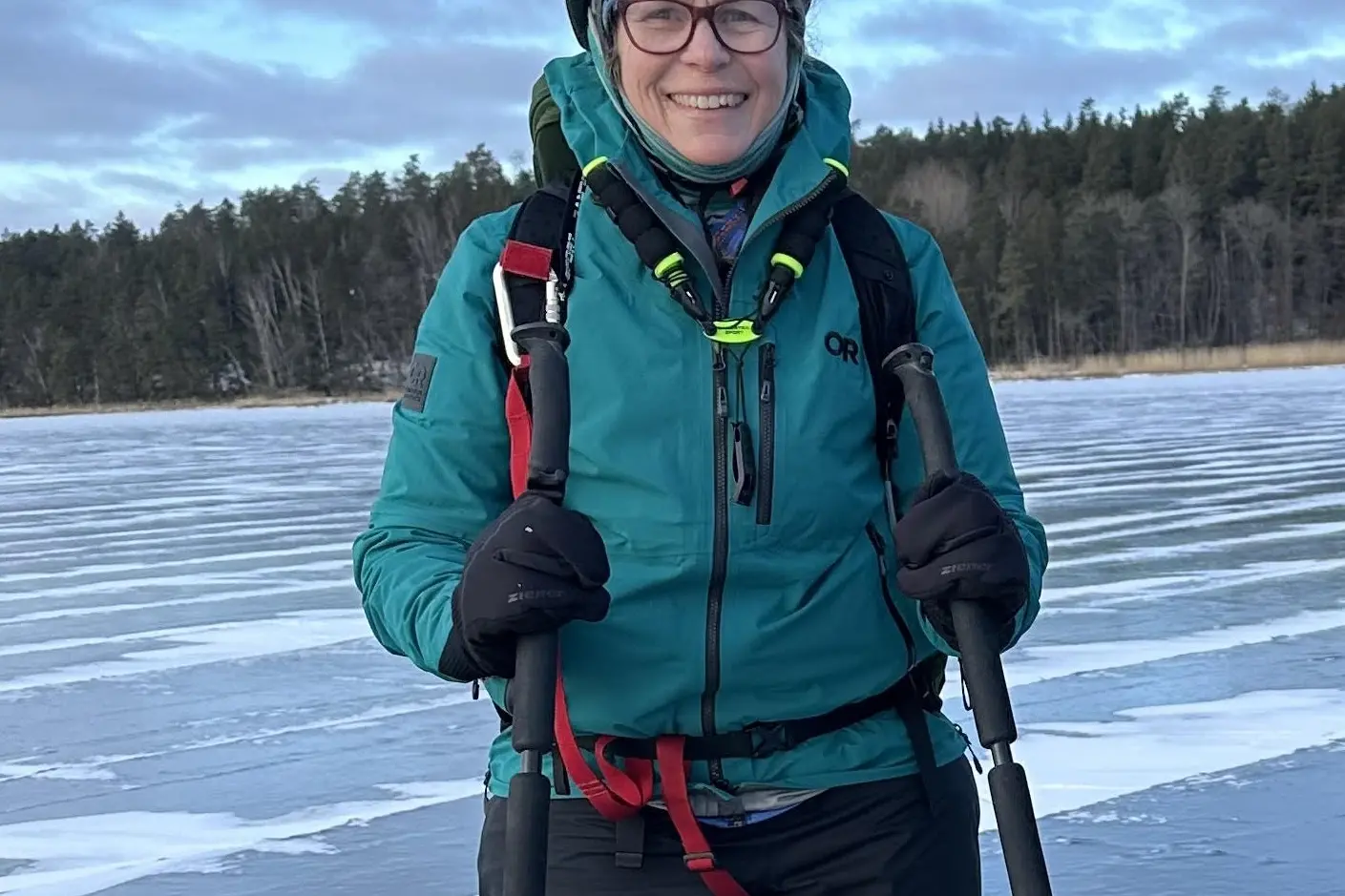
Born in Melbourne, Amanda Smith has called Beechworth home for the past 15 years. After spending many years working interstate and overseas, it was her time in outdoor education – on the rivers and in the mountains of northeast Victoria—that drew her back to the region she now proudly serves.
What do you do workwise?
I’m a community engagement coordinator with the Country Fire Authority (CFA), where I support local brigades in delivering home fire and bushfire safety education programs. While my career path has taken me through a variety of beautiful locations and diverse roles, a common thread has been education.
What led you to your role/career?
A friend once told me that meaningful change comes through activism, politics or education. I chose education. While education and training in the outdoor industry has been a career highlight, I have worked as a whitewater kayak guide in Mexico and Idaho, a plant operator clearing snow, a ranger for Parks Victoria and a 40-tonne dump truck operator on a construction site.
What do you love about your work?
Helping communities understand and prepare for emergencies is deeply rewarding. Knowing that the information I share could one day save a life gives purpose to my work.
What do you do in the community?
My commitment to community extends well beyond my professional role. I serve on the committee of Beechworth Landcare where I also write the organisation’s monthly newsletter. I volunteer with Bush Search and Rescue (BSAR), assisting Victoria Police in search and rescue operations across bushland and alpine environments, and a member of the CFA Division 23 Headquarters Brigade, providing non-operational support during bushfire events.
Is there an important community issue that you think needs addressing?
I believe one of the most important issues facing communities today is climate resilience. Recent bushfires have highlighted the growing need for individuals and communities to prepare for emergencies, particularly as climate change contributes to hotter, drier conditions and more dangerous fire weather.
What would you do to solve change or improve that situation?
While emergency service organisations play a critical role in responding to disasters, preparedness starts at home. I encourage families, friends and neighbours to have conversations about emergency plans, attend community information sessions and take the time to learn how to respond during emergencies.
What do you see as one of the most important current world issues?
On the global stage, I see climate change as one of the defining challenges of our time. In Victoria, rising average temperatures and more frequent extreme heat events are already increasing bushfire risk, making community awareness and preparedness more important than ever.
If the person you would most like to meet came to Indigo Shire (past or present), or was already here, who would that be, what would you show them, and why?
If I could meet one person who has influenced the region, I would choose the late Joan Kirner, co-founder of Victoria’s Landcare movement. I would relish the opportunity to introduce Joan to the many volunteers whose work continues to reflect her vision of communities actively caring for their land, waterways and biodiversity throughout Indigo Shire.
What book are you reading?
When I’m not working or volunteering, I enjoy listening to audiobooks. My current choice is ‘Soulcraft’ by Bill Plotkin, a book that explores the journey of self-discovery and connection with the natural world.