ROADSAFE North East is urging motorists to show patience and give space to others, when driving on Alpine roads this snow season, as part of its SnowSafe Driving initiative.

Spokesperson John Weinert said it is also important for motorists to prepare their vehicles before heading to the snow, as well as being careful, cautious and considered on the road.

"Driving our Alpine roads brings so many pleasures and surprises, but winter can also throw in some unique challenges and issues as conditions can change rapidly in extreme weather like black ice, blizzards and fog," he said.

"With travel to ski destinations high on many Victorians' list, we are expecting to see a large volume of day trippers and first–timers making the journey to the snow this season.

"Driving on snow and ice–covered roads can be challenging, even for the most experienced drivers in the best–prepared vehicles.

"Both ice and snow reduce the amount of traction you have, making it harder to get moving, steer, and stop.

"Using your head and not your foot when driving on alpine roads, is key to safe driving."

Taking extra care starts before hitting the road, ensuring vehicles are properly equipped and in good condition including checking tyres, battery, brakes, cooling system, engine and windscreen.

Diesel 'waxes' at low temperature which can block the fuel system and immobilise the vehicle.

This means diesel vehicles require fuel formulated for use in cold conditions, such as 'Alpine Diesel' mix, which is available at service stations in the alpine area.

Drivers should also add anti–freeze to the engine radiator, the amount needing to match the capacity of the coolant system.

If the coolant freezes, the engine block and radiator may crack, resulting in an expensive repair bill.

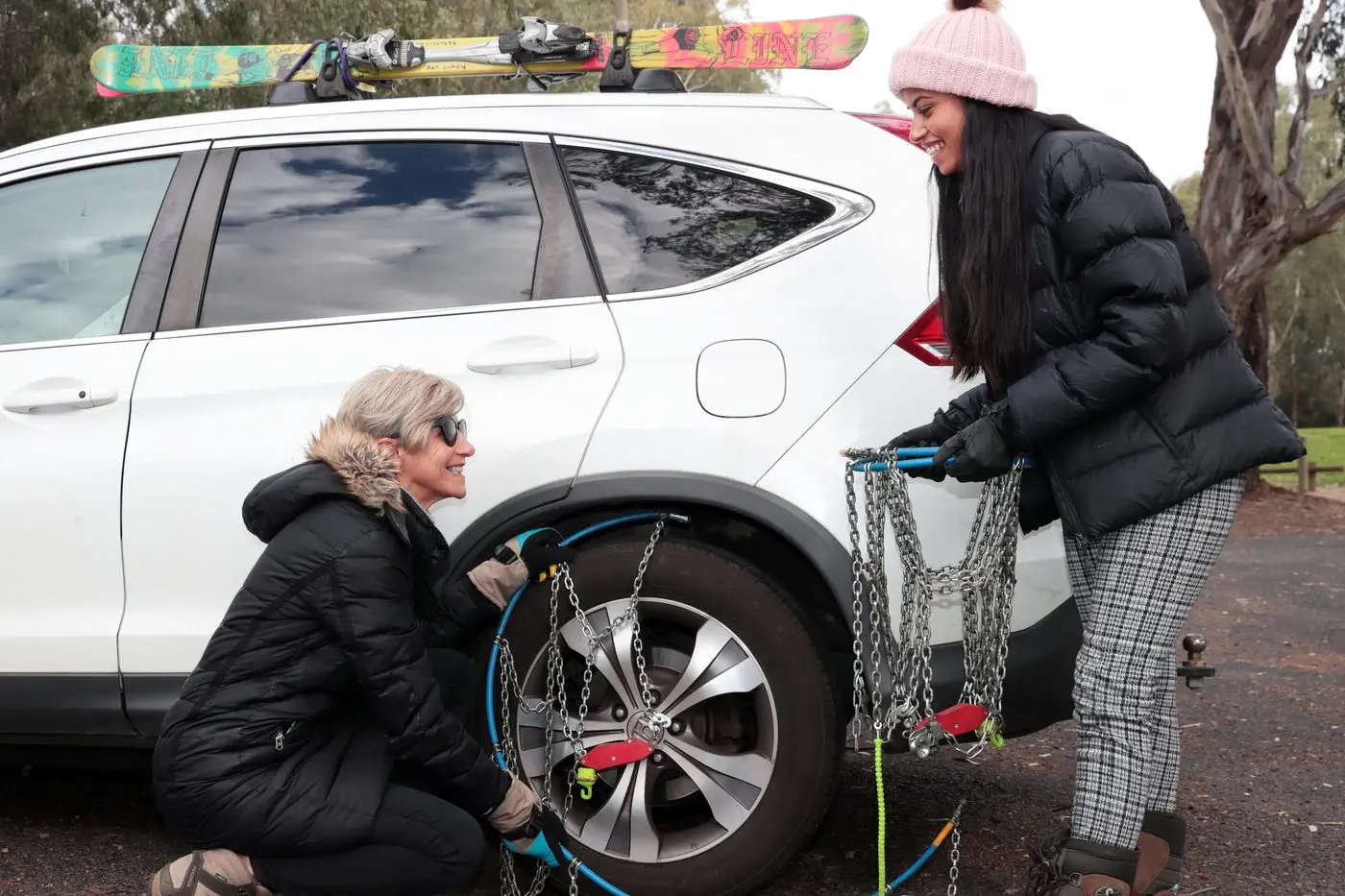
Carrying snow chains is compulsory for all vehicles entering alpine resorts and authorities will advise when to stop and fit the chains, in a designated chain–fitting area.

RoadSafe North East strongly urges motorists to practise fitting chains before the trip and to only fit chains to the driving wheels, which are the back wheels on rear wheel drive cars and front wheels on front wheel drive cars.

Drivers should also carry a torch, plastic garbage bag and gloves to make fitting easier and consult the car manual for recommended tyre pressure when fitting chains.

Before hitting the road, all drivers should visit www.traffic.vicroads.vic.gov.au for road conditions or download the VicTraffic app.

Funding for the RoadSafe NE SnowSafe Driving initiative, has come through the state government's Department of Transport Community Road Safety Grant.

*

Top 10 tips for Snowsmart driving

1. Take extra care starts before hitting the road, by hecking tyres, battery, brakes, cooling system, engine and windscreen and always carry chains, a torch, garbage bag (to avoid wet knees) and gloves to make chain fitting easier.

2. Don't forget to add 'Alpine Diesel' mix, if you have a diesel vehicle – available at service stations in alpine region, along with adding anti–freeze to the engine radiator.

3. Ice and snow – take it slow! Avoid sudden braking or acceleration on snow or ice and allow plenty of room between you and the car in front. If you hit ice, stay calm and apply the brakes gently to slowly regain traction.

4. Take corners slowly and steer gently to avoid skidding. Never brake if the vehicle skids, instead, ease off the accelerator and steer slightly into the direction of the skid until you gain control.

5. If stuck in snow, do not spin the wheels or rev the vehicle, as this will dig the vehicle further in. Instead, put the vehicle into as high a gear as possible and slowly manoeuvre the vehicle lightly forwards and backwards to gently creep out.

6. Remove ice and snow before you go. Clear all snow from your vehicle before leaving the resort – there's a hefty fine and loss of demerit points for driving with snow on your roof. Carry an ice–scraper and use the heater and fan/air conditioner.

7. No puffy ski jackets on kids in car seats please as a thick jacket can loosen the seat's harness and they could slide out easily.

8. Engage low gear when you drive down a mountain and headlights on low beam at all times.

9. Don't use cruise control as you are less able to quickly react to poor road conditions and situations. If the vehicle skids it will keep accelerating – not a good plan!

10. Keep up to date with current road conditions before your trip by visiting traffic.vicroads.vic.gov.au or downloading the VicTraffic app.

*