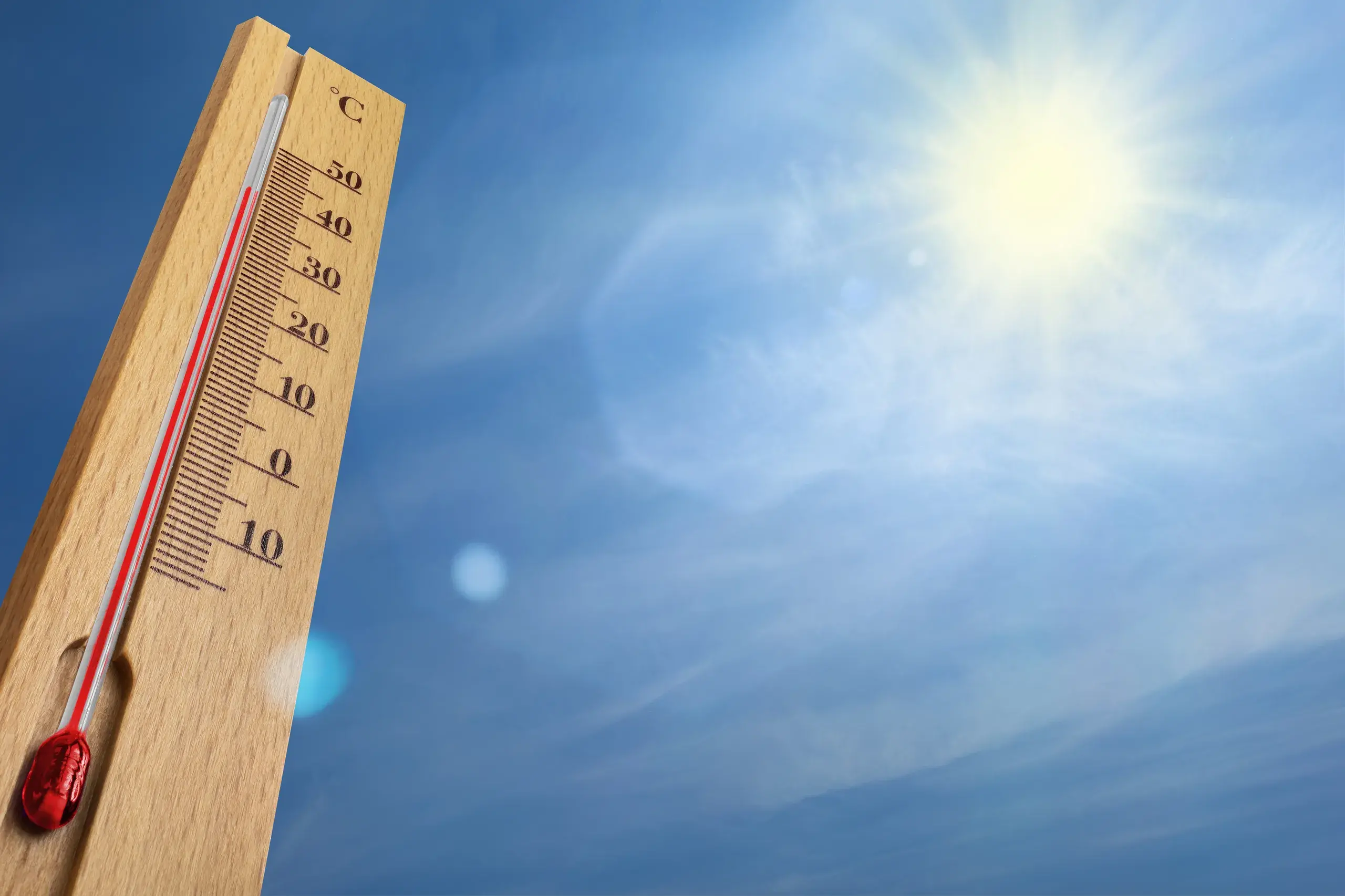
Multiple heat warnings remain in place across the North East prior to an expected sixth consecutive day of more than 40-degree temperatures. The region has been subject to the worst heatwave in Victoria since 2009 according to VicEmergency with the community sweating on a cooler change coming in on Sunday. Total Fire Bans have been issued for the region throughout the week and a Bureau of Meteorology severe heat warning remains in place. “Severe heatwaves can be dangerous for many people, especially older people, babies, children, pregnant and breastfeeding women, people with medical conditions and people who are unwell,” the Bureau's advice message read. Total Fire Bans were in place statewide on Sunday, Monday and Tuesday as record-breaking temperatures nearing 50 degrees hit the northern parts of Victoria. “Now is the time to have your bushfire plan ready, talk with your family about what you’ll do if a fire starts, and be prepared to act early,” CFA chief fire officer Jason Heffernan said. "Conditions will make it difficult to suppress new fire starts, as well as providing a challenge for firefighters already working hard on containing existing fires. “Make sure you’re staying hydrated and checking in on vulnerable family, friends and neighbours.” A high fire danger rating was forecast for the North East for Friday and Saturday, with the severe heatwave expected to pass on Sunday. In the south west of the state, a major fire in the Great Otway National Park continues to burn out of control, with multiple evacuation issued in the area. People with asthma are advised to take their prescribed preventer medication and keep their reliver close at hand, with air pollution from bushfires across the state increasing the risk of asthma attacks. Asthma Australia chief executive officer Kate Miranda said bushfire smoke can have serious health impacts for anyone with asthma, even at low levels. “People with asthma should minimise smoke exposure, follow their Asthma Action Plan, take their reliever or anti-inflammatory inhaler as prescribed, and watch their symptoms closely,” she said. WorkSafe chief health and safety officer Sam Jenkin said employers must prepare for the conditions and make any accommodations needed to ensure tasks are carried out safely or where necessary, postponed. "Working in severe or extreme heat can easily lead to dehydration and heat illnesses such as heat rash, fainting, heat exhaustion and heat stroke – which is a life-threatening condition," he said. "It is imperative employers plan ahead and take all reasonable steps to protect their workers, particularly those exposed to the elements or working in spaces without ventilation or air conditioning." Stay up to date with the latest weather warnings via: https://www.bom.gov.au/weather-and-climate/warnings-and-alerts